Introduction
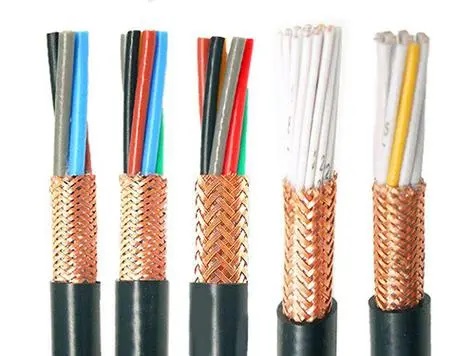
Photovoltaic (PV) systems have become increasingly popular as a sustainable energy solution, harnessing the power of the sun to generate electricity. These systems consist of various components, including PV cables, which play a crucial role in transmitting the electricity generated by the solar panels. The lifespan of PV cables is a significant factor in the overall performance and efficiency of a PV system. In this article, we will explore the key factors that affect the lifespan of PV cables and provide practical tips for maximizing their longevity.
Understanding PV Cables
PV cables are essential components of a solar energy system, responsible for carrying the direct current (DC) electricity generated by the solar panels to the inverter, where it is converted into alternating current (AC) for use in homes or businesses. These cables are specifically designed to withstand the harsh outdoor conditions typically encountered in solar installations, including exposure to sunlight, rain, snow, and temperature fluctuations.
Key Factors Affecting PV Cable Lifespan
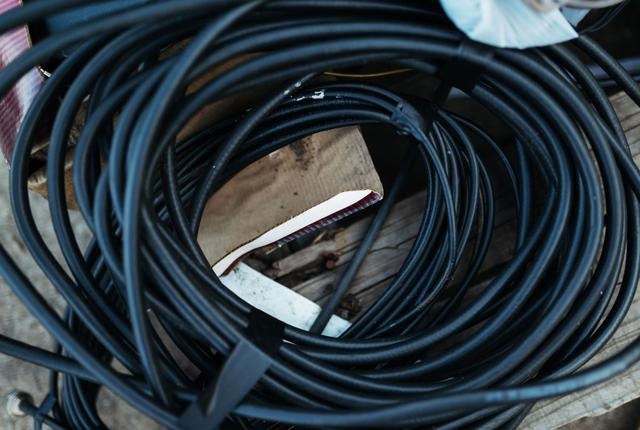
Several factors can impact the lifespan of PV cables, including:
1. Quality of Materials: The quality of the materials used in manufacturing PV cables plays a significant role in determining their longevity. High-quality materials that are resistant to UV radiation, moisture, and temperature extremes are essential for ensuring the durability of the cables.
2. Installation Practices: Proper installation of PV cables is crucial for maximizing their lifespan. Cables should be securely fastened to the mounting structure and protected from physical damage, such as abrasion or bending beyond their minimum bend radius.
3. Environmental Conditions: The environmental conditions in which a PV system operates can have a substantial impact on the lifespan of the cables. Factors such as temperature fluctuations, UV exposure, moisture, and chemical exposure can all contribute to cable degradation over time.
4. Maintenance and Inspection: Regular maintenance and inspection of PV cables are essential for identifying any issues early on and addressing them before they escalate. Inspections should include checking for signs of wear, damage, or degradation, as well as ensuring that connections are secure and free from corrosion.
Tips for Maximizing PV Cable Lifespan
To maximize the lifespan of PV cables and ensure the long-term performance of a solar energy system, consider the following tips:
1. Use High-Quality Cables: Invest in high-quality PV cables that are specifically designed for use in solar installations. Look for cables that are UL-listed and meet industry standards for durability and performance.
2. Follow Manufacturer Guidelines: Always follow the manufacturer's guidelines for installing and maintaining PV cables. This includes adhering to recommended installation practices, such as using proper cable management techniques and avoiding excessive bending or tension.
3. Protect Cables from Physical Damage: Take steps to protect PV cables from physical damage, such as installing conduit or cable trays to shield them from impact or abrasion. Avoid exposing cables to sharp edges, rough surfaces, or excessive bending that could compromise their integrity.
4. Monitor Environmental Conditions: Keep an eye on the environmental conditions in which the PV system operates and take steps to mitigate any potential risks. This may include providing additional protection from UV exposure, moisture, or extreme temperatures, as well as inspecting cables regularly for signs of wear or degradation.
5. Conduct Regular Inspections: Establish a routine schedule for inspecting PV cables to identify any issues early on and address them promptly. Inspections should include visual checks for physical damage, as well as testing connections for proper functionality and security.
6. Shielded cable in renewable energy systems : Proper cable management is essential for maintaining the integrity of PV cables over time. Ensure that cables are properly supported, secured, and routed to minimize stress and strain on the conductors.
Conclusion
The lifespan of PV cables is a critical factor in the overall performance and efficiency of a solar energy system. By understanding the key factors that affect cable longevity and implementing best practices for installation, maintenance, and inspection, solar system owners can maximize the lifespan of their PV cables and ensure the long-term success of their investment in renewable energy. By following the tips outlined in this article, you can help preserve the integrity and reliability of your PV cables for years to come.